

The State We're In
Cutting waste, on the side
By Alison Mitchell, Executive Director, New Jersey Conservation Foundation
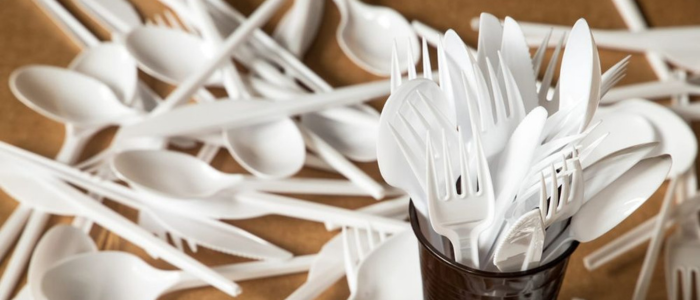
Across New Jersey, takeout orders come with a side of waste – plastic utensils and condiment packets we never use. Those small items add up quickly, often spilling into our parks and waterways.
Each year, volunteers comb New Jersey’s beaches and consistently find that plastic dominates what’s left behind. In recent cleanups, more than 80 percent of all debris collected was plastic, much of it single-use items like food wrappers, bottle caps, and various takeout waste.
That’s why the “Skip the Stuff” law, which goes into effect on August 1, 2026, is a commonsense step forward for New Jersey.
The idea is simple: food service businesses are limited as to when they can provide single-use utensils and condiments to customers. Casual dining establishments may continue to provide these products if people ask for them or at self-serve condiment stations. If a customer is ordering online, full-service restaurants can only provide single-use products upon request.
Most of the items targeted under “Skip the Stuff” are used for just minutes – if at all – before being thrown away. Many can’t be recycled due to their size, material, or food contamination. As a result, they end up in landfills and in our natural environment. In the United States, 561 billion disposable food service items are used every year, resulting in a staggering 4.9 million tons of waste!
We may have gotten better at recycling paper, bottles, cans, and plastic bags, but small, non-recyclable plastic objects remain insidious.
In a coastal state like New Jersey, the consequences are big. Plastic pollution threatens marine life, degrades water quality, and mars the natural beauty that draws millions of visitors to our beaches each year. Cleanups help, but they aren’t enough.
What we see on the beach is only part of the story. Rivers like the Delaware are estimated to carry over 100 tons of plastic each year, funneling waste from upstream communities straight to the ocean. By the time plastic breaks down into smaller fragments, it becomes nearly impossible to remove, persisting in the environment and entering the food chain.
New Jersey has already taken some important steps towards reducing plastic pollution, including a nationally recognized ban on single-use plastic bags and foam food containers. Those policies are beginning to make a difference. “Skip the Stuff” builds on that progress without placing an undue burden on businesses. By reducing the number of disposable items they give away, restaurants can lower their purchasing costs. At a time when margins are tight, that’s a win-win.
Consumers are ready for this change. Many of us already have utensils at the office or in our bags. Giving customers a choice simply makes sense and reflects a growing awareness that convenience shouldn’t come at the expense of our environment.
Enforcement of “Skip the Stuff” across thousands of restaurants won’t be easy, which makes public awareness essential. Consumers can help by opting out of extras and requesting only what they need. If you receive items you didn’t request, let the restaurant know and, if you find that the rules are consistently being ignored, bring the problem to the attention of the town government.
The effort to reduce the use of plastic objects is part of a much broader set of actions we need to take to begin to reverse the environmental damage we have caused. And we shouldn’t lose sight of the bigger picture. Fighting climate change by limiting fossil fuel use, engaging locally to protect and restore wild habitats, reducing chemical use and the size of our lawns, and planting native species for pollinators are also critically important. We face an enormous multi-faceted problem, and we need a multi-pronged approach to start solving it.
At its core, “Skip the Stuff” is based on the idea that small actions matter. When multiplied across millions of takeout orders each year, skipping unnecessary items can prevent tons of waste, reduce litter, and ease pressure on our already strained waste management systems.
The next time you eat out or order food, ask yourself: do I really need all that extra plastic?
Learn more about plastic pollution and “Skip the Stuff” at https://dep.nj.gov/get-past-plastic/.
To learn more about preserving New Jersey’s land and natural resources, visit the New Jersey Conservation Foundation at www.njconservation.org or contact me at info@njconservation.org.
About the Authors
Alison Mitchell
Executive Director
Michele S. Byers
Executive Director, 1999-2021
John S. Watson, Jr.
Co-Executive Director, 2022-2024
Tom Gilbert
Co-Executive Director, 2022-2023
View their full bios here.
Filter
Get The Latest News
From The Garden State
In the
News