

The State We're In
When it comes to New Jersey’s grasslands, we reap what we sow
By Alison Mitchell, Executive Director, New Jersey Conservation Foundation
When people picture New Jersey’s classic natural landscapes, they often think of the Pine Barrens, the Jersey Shore, or the forests of the Highlands. But in the agricultural landscapes of the Delaware River Valley, all the way from Sussex and Warren to Salem and Cumberland counties, open fields of grasses and wildflowers provide some of our state’s most important and beautiful wildlife habitats.
While New Jersey’s grasslands aren’t vast like the uninterrupted prairies of the Great Plains, we have hayfields, pastures, old farm fields, native meadows, and other open habitats that are critical for pollinators, native plants, nesting birds, and other wildlife.
Together these landscapes support extraordinary biological diversity.
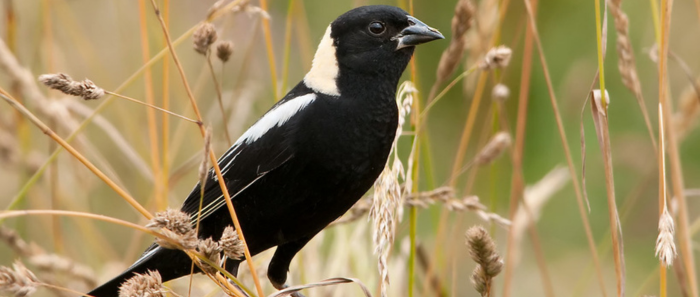
Grasslands provide a home for birds to breed, forage, and raise their young. Sadly, the state has documented significant declines in grassland-dependent birds, with several species listed as endangered or threatened.
Native grasses and flowering plants also provide food and shelter for bees, butterflies, moths, and countless other insects. Those insects, in turn, support the food web for birds and other wildlife. At a time when biodiversity is under major pressure, maintaining and expanding habitat for native plants and animals is a practical way to give our environment a desperately needed boost.
There is another reason to foster these landscapes: important functions happen even below the surface. Native warm-season grasses such as switchgrass, big and little bluestem, and Indian grass develop extensive root systems that help build healthy soil and withstand drought and other stresses. Grasslands store significant amounts of carbon in their soil and roots, and protecting them can help counter the carbon release that drives planetary warming.
The Alpha/Pohatcong Grasslands in southwestern Warren County are particularly impressive and important. This historic farming landscape, mostly in the Highlands Preservation Area, is recognized as a Natural Heritage Priority Site. Spanning over 1,000 acres above the Delaware River, these grasslands evoke images of the lower Wisconsin River Valley where it joins the Mississippi. State-endangered vesper sparrow, and state-threatened grasshopper sparrow, horned lark, bobolink, American kestrel, and Eastern meadowlark all breed here. Northern harriers and short-eared owls use the area in winter.
Unfortunately, the northern part of the grasslands complex is at greater risk. The arrival of Interstate 78 fragmented the landscape, and many of the grasslands north of the highway have since been lost to development. Those that remain are vulnerable as they sit in the less-restrictive Highlands Planning Area where more growth is allowed without as many protections for natural resources. Recently, residents and longtime conservation advocates like the Phillipsburg Riverview Organization united against additional warehouse development there. The fight continues, but their efforts bring home the point that these fields are much more than empty land waiting to be destroyed by the next grand building scheme we humans like to cook up.
Protecting grasslands shouldn’t be so hard. Doing so requires us to preserve more farmland – an initiative that is well funded in this State We’re In. We also need to help landowners take advantage of conservation incentives already offered by the U.S. Department of Agriculture. We should promote wildlife-friendly practices such as delayed hayfield mowing to protect ground-nesting birds and herbicide- and pesticide-free agricultural practices, and we should restore native warm-season grasses on both public and private land.
State and local leaders need to start prioritizing grasslands in land-use decisions, strengthening protections against development and fragmentation, and investing in restoration. Conservation organizations, landowners, and government can work together to expand native grasslands and adopt responsible management practices. And residents can help by supporting land preservation and speaking up when valuable habitat is threatened by development, like the group in the Highlands has valiantly done.
We must start treating New Jersey’s grasslands as essential habitat! Luckily, we know what we need to do and a good deal of the funding is in place. We still need a shift in thinking but the rewards we’ll reap from more healthy grasslands will be well worth the effort.
To learn more about preserving New Jersey’s land and natural resources, visit the New Jersey Conservation Foundation at www.njconservation.org or contact info@njconservation.org.
About the Authors
Alison Mitchell
Executive Director
Michele S. Byers
Executive Director, 1999-2021
John S. Watson, Jr.
Co-Executive Director, 2022-2024
Tom Gilbert
Co-Executive Director, 2022-2023
View their full bios here.
Filter
Get The Latest News
From The Garden State
In the
News