

The State We're In
Head to the “Shed” with your unwanted item
By Alison Mitchell, Executive Director, New Jersey Conservation Foundation
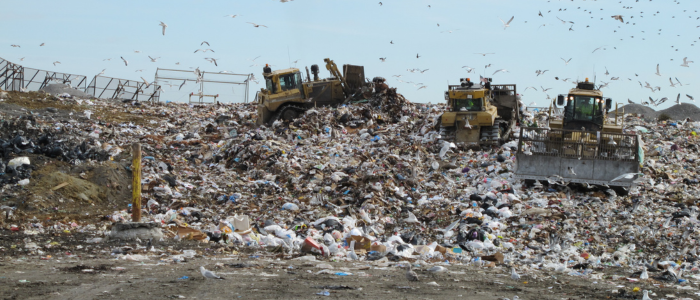
Every year, millions of tons of usable items end up in landfills across our state – tools, household goods, unwanted technology, and scores of miscellaneous items that someone else could probably use.
One community in New Jersey created a simple, local solution that helps keep these items out of the trash. It’s called a “sharing shed.”
A sharing shed is exactly that: a small structure – often near a community center or at a recycling facility – where residents can leave items they no longer need and take items they can use. Think gardening tools, sports equipment, kitchen appliances, books, hardware, craft supplies, televisions, or other household items. Instead of ending up in the landfill, these goods stay in circulation.
In Bradley Beach, Councilman John Weber, an environmentalist by trade, proposed the idea to the town’s governing body in 2025. He saw an opportunity to reduce the amount of bulk waste the town sends to landfills every year and allow residents to “recycle” with their neighbors.
The environmental benefits of sharing sheds are clear. When we reuse items instead of throwing them away, we reduce landfill waste and extend the life of the products we already have. Every shovel or blender reused represents fewer resources needed to manufacture new goods and fewer materials discarded prematurely.
Reducing consumption also lowers greenhouse gas emissions. Manufacturing and transporting new products requires energy and raw materials. By keeping items in use longer, sharing sheds help shrink the environmental footprint of everyday consumption. In a densely populated state like New Jersey, small local actions can add up quickly.
Bradley Beach’s Department of Public Works used leftover building materials to construct the shed. Before the shed was built, trucks made frequent trips to haul bulky items away and residents paid fees for the pickup service. Now, many of those items find a new home instead.
“People love it,” says Weber. “It is cutting down on the amount everyone spends on bulk trash, and I think it is also freeing people from the guilt of throwing away a good, usable item. They just bring it to the shed.”
If you’d like to see a sharing shed in your community, reach out to your environmental commission or other municipal leaders to explore the idea. Many towns already have suitable locations, such as recycling centers or public works yards. Key elements for success include establishing simple rules for acceptable items, identifying volunteers or staff to help monitor the space, and creating clear signage so residents understand how the shed works.
In Bradley Beach, there are prohibitions on leaving dangerous or combustible products, and guidelines on the size and condition of items accepted at the shed. If something sits for a few months, it’s removed and disposed of. Mayor Al Gubitosi says the overall success of the project is leading Bradley Beach to consider expanding the shed size and exploring better ways to educate the public about its existence and purpose.
“Residents like to know they can drop off bulk items for free, and many discover useful items left there,” says Gubitosi. “As more people learn about the shed, I imagine its popularity will continue to increase.”
At its heart, a sharing shed involves rethinking how we value everyday objects. Instead of automatically seeing unwanted items as trash, we can view them as resources waiting for a second life. It’s a good reminder that we can all make small adjustments that are better for our planet, our conscience, and our wallet.
To learn about preserving New Jersey’s land and natural resources, visit the New Jersey Conservation Foundation website at www.njconservation.org or contact me at info@njconservation.org.
About the Authors
Alison Mitchell
Executive Director
Michele S. Byers
Executive Director, 1999-2021
John S. Watson, Jr.
Co-Executive Director, 2022-2024
Tom Gilbert
Co-Executive Director, 2022-2023
View their full bios here.
Filter
Get The Latest News
From The Garden State
In the
News