


The State We're In
The long and winding road of rock salt
By Alison Mitchell, Executive Director, New Jersey Conservation Foundation
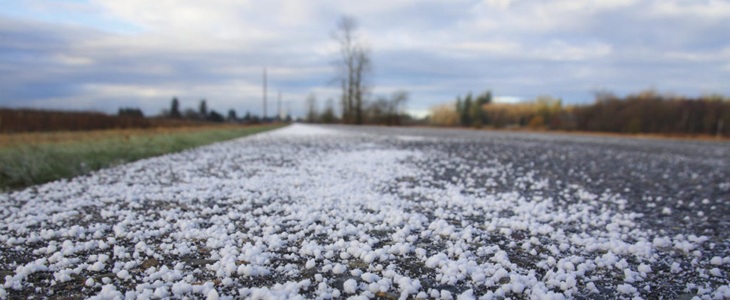
In winter weather, maintenance crews diligently work to clear roadways, while residents and businesses tackle walkways and parking areas. This usually includes applying a lot of salt. When something is cheap and plentiful, we tend to be careless about how much we use. While rock salt is very effective at melting snow and ice, it comes at a steep cost. And we’re clearly using too much of it in many areas.
The amount of salt used on roadways has increased dramatically over the years. The practice started in the 1940s and ‘50s when about 5,000 tons were spread annually. We now use about 20 million tons each year, roughly 123 pounds for every American!
Clearing roadways for emergency vehicles and other essential travel makes sense, but too much salt in the environment is toxic, and the damaging impacts continue well after winter ends. It harms fish and aquatic insects like dragonfly larvae that control mosquitoes, as well as other invertebrates like crayfish and freshwater mussels. This impacts entire food chains, causing harm to birds and other animals. Excess salt accumulates on the road, killing plants and harming wildlife that eat the salt crystals. Treated roads also attract animals like deer, who love licking up the salt and don’t mix well with traffic.
High salinity can also contribute to harmful algal blooms and low dissolved oxygen levels in lakes and rivers when the salt dissolves and rain carries it into these waterways. The problem is even worse in highly urbanized areas, where large amounts of impermeable land cover lead to faster runoff.
Road salt also harms humans more directly. Surface and groundwater become contaminated, with salt infiltrating drinking water reservoirs and wells. Water becomes more expensive to treat and can even develop a temporary salty taste. High sodium levels in drinking water can also affect people with high blood pressure.
Salt is highly corrosive, and can wear down homeowners’ pipes and public infrastructure like treatment equipment. In large quantities, salt’s corrosive quality also affects cars, bridges, and roads resulting in approximately $5 billion dollars in annual repairs in the United States.
And once the salt seeps into our environment, it’s hard to get it out. There are no biological processes that will remove it.
All of this means that we really need to pull back on indiscriminate use of salt! How do we do that?
To start, shovel snow before using salt and before the snow turns to ice, reducing the need for deicing. If you must use salt, moderation makes a difference! You need less than you think. A 12-ounce coffee mug holds about one pound of salt, which is enough for a 20-foot driveway. For the most effective coverage, spread the salt so there’s about three inches of space between granules, and sweep up excess from dry pavement.
There are also alternative treatments. Since 2012, Rhode Island has been applying a brine solution to roads before snow events, which can reduce the total amount of salt applied by 30 to 50 percent. Known as anti-icing, this practice prevents the formation of frost on pavement, and its implementation has been increasing across other states.
Sand, used in moderation, can help with traction. One reason it’s not more popular is that after the snow or ice melts, the remaining sand can wash into catch basins or adjacent waterbodies, requiring additional maintenance.
Businesses can revise snow removal contracts to pay according to how much area is cleared, rather than how much salt is applied. Other alternatives include adding biodegradable substances like pickle juice to the road salt solution to enhance its performance and reduce the amount of saline used.
Ask your municipality to examine how much salt is spread each winter and to commit to alternative methods to keep roads clear. The number of tools available to public works departments continues to increase, paving the way for a tailored approach to deicing in an environmentally conscious manner without risking driver safety.
For information about winter salting, visit NJ Salt Watch, a free community science program funded by the New Jersey Department of Environmental Protection and managed by The Watershed Institute. The program provides residents, businesses, and municipalities the opportunity to measure and share impacts of road salt on local streams and lakes. Learn more and register at https://njwatershedwatch.org/road-salt.
To learn about preserving New Jersey’s land and natural resources, visit the New Jersey Conservation Foundation website at www.njconservation.org or contact me at info@njconservation.org.
About the Authors
Alison Mitchell
Executive Director
Michele S. Byers
Executive Director, 1999-2021
John S. Watson, Jr.
Co-Executive Director, 2022-2024
Tom Gilbert
Co-Executive Director, 2022-2023
View their full bios here.
Filter
Get The Latest News
From The Garden State
In the
News