

The State We're In
Small actions in the face of huge problems
By Alison Mitchell, Executive Director, New Jersey Conservation Foundation
The environmental challenges of our time are daunting. Addressing persistent pollution including plastics and chemicals, a rapidly changing climate, and the accelerating loss of biological diversity, requires action at every level, from governments and businesses to communities and individuals. But when the problem feels as big as the planet itself, it can be difficult to know where to begin.
We can’t solve every environmental crisis around the globe overnight and we need sweeping policy changes to turn the tide. Protecting the planet is a shared responsibility, and while meaningful progress depends on large-scale solutions, each of us as individuals can start being part of the solution in small and inspiring ways.
Take Camden County resident and avid fisherman John Casalnova, for example. Casalnova began noticing litter accumulating in the lakes, streams, and rivers where he spent time paddling in his kayak. About a year ago, he decided to pick up a bag of trash and record the experience. He discovered a new passion: cleaning up local waterways and encouraging others to do the same through his social media channels, Clean Jersey Waterways.
“I’ve never been into environmental, um, anything really,” says Casalnova. He didn’t set out to become an environmental advocate. He simply saw a problem and decided to do something.
Since then, he has removed dozens of tires from local waterways, along with plastic bottles, bags, chairs, and shopping carts. He works with local municipalities to responsibly dispose of the litter.
Since Casalnova started cleaning, hundreds of people have begun tagging him via social media in their own local cleanup efforts, sharing thoughts and ideas about how to help, and starting a larger conversation about pollution. Inspiration can spark possibilities!
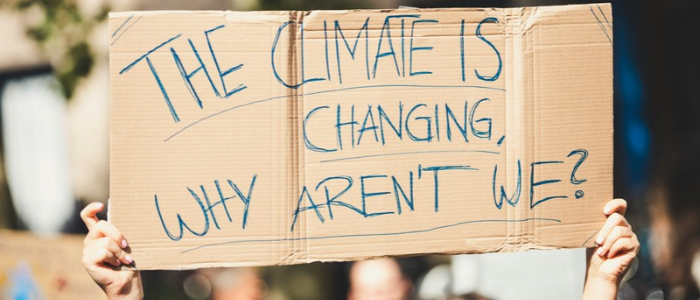
Clean ups are one way to make a difference. But there are many other areas that need attention. The International Day of Climate Action on October 24th is an opportunity to look at our neighborhoods, backyards, farms, and energy choices as places to take actions that address the impacts of a warming world, absorbing carbon dioxide and sequestering carbon.
Planting a tree can provide shade, absorb carbon dioxide, and create habitat for birds and other wildlife. Choosing renewable energy and moving away from fossil fuels are steps toward reducing greenhouse gas emissions. The increase in the use of electric vehicles is a good example of individuals making a particularly impactful behavior change. We badly need bolder action from policymakers, businesses, and communities, but our individual decisions can help build momentum for broader change.
Even our yards offer an opportunity. Many traditional lawns require regular mowing, watering, and poisonous chemical treatments while providing virtually no habitat for wildlife. What if we converted some of that space into native gardens, pollinator habitats, or small patches of thriving natural landscape?
The Homegrown National Park movement offers an inspiring vision: millions of individual properties becoming part of a collective effort to restore biodiversity. By planting native trees, flowers, and shrubs, we can help provide food and shelter for pollinators, birds, bats, and insects that are the basis of the food chain.
We each have a role to play. Individual efforts alone cannot replace the need for strong environmental policies and systemic change. But smaller steps and gradual progress can help build awareness, change habits, inspire neighbors, and create demand for larger solutions.
For Casalnova, there is real satisfaction in removing trash, inspiring others, and the experience of being outdoors, where he has spotted bald eagles, egrets, and swimming deer. The natural places that enrich our lives and support wildlife have magical gifts, if only we are willing to spend time in them.
His advice is simple: “It doesn’t take a lot of effort. It doesn’t take a lot of time to make a difference.”
To learn more, visit: https://www.awarenessdays.com/awareness-days-calendar/international-day-of-climate-action/. You can follow Casalnova on his social media platforms, Clean Jersey Waterways.
To learn more about preserving New Jersey’s land and natural resources, visit the New Jersey Conservation Foundation at www.njconservation.org or contact info@njconservation.org.
About the Authors
Alison Mitchell
Executive Director
Michele S. Byers
Executive Director, 1999-2021
John S. Watson, Jr.
Co-Executive Director, 2022-2024
Tom Gilbert
Co-Executive Director, 2022-2023
View their full bios here.
Filter
Get The Latest News
From The Garden State
In the
News