


The State We're In
A river otter swims in the Bronx
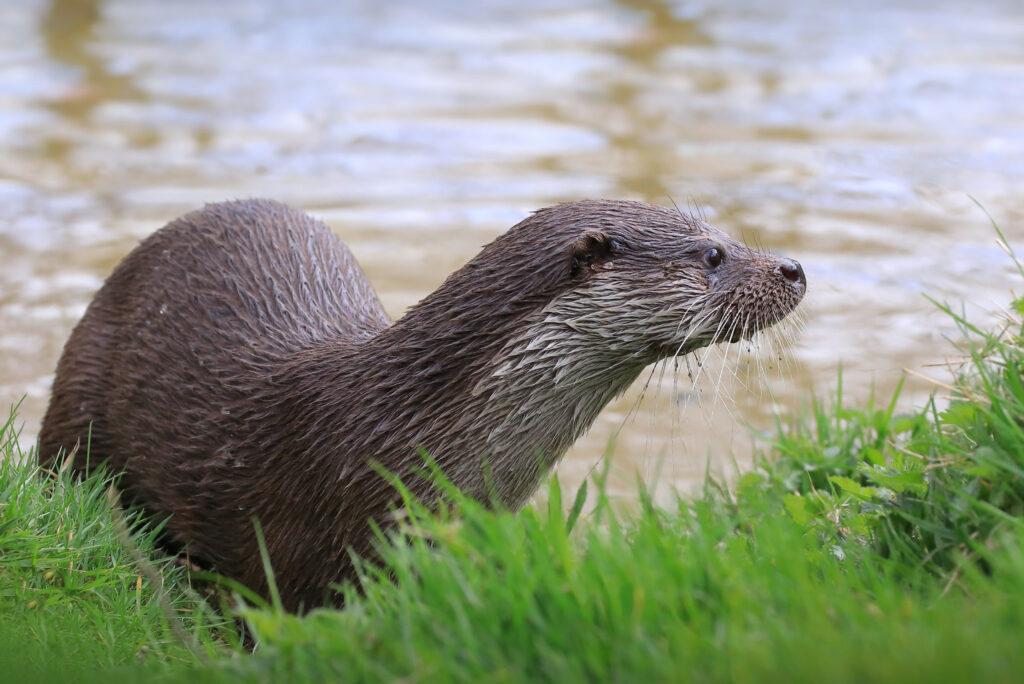
In June, a North American river otter was spotted in the Bronx River for the first time in 100 years. For many people, the sighting seemed a fleeting bit of wildlife news. But the appearance of an animal that had been absent there for generations is truly worth celebrating.
These charismatic mammals have already made a remarkable comeback in New Jersey in recent decades. Scientists don’t yet know if this sighting in New York signals a successful return of the species to the Bronx River or if a lone otter wandered from a more pristine habitat, but it does raise intriguing questions about what is possible when urban water quality is improved.
River otters are elusive animals, and seeing one is rare. But their presence can tell us a great deal about the water they inhabit. They thrive in clean, unpolluted river and stream ecosystems with healthy, balanced food webs. As predators atop the freshwater aquatic food chain, otters depend on an abundant supply of prey.
Fish and crustaceans are among their most important foods, but otters also forage for reptiles, amphibians, clams, snails, mussels, insects, muskrats, and waterfowl. An otter’s presence can suggest that an underwater world is rebounding.
In the 1800s in New Jersey, river otters and beavers were trapped and hunted nearly to extinction. As protections increased, populations began to recover. Today, native river otters can be found across much of the state, from northern and central waterways to coastal areas and the Pine Barrens.
These animals are remarkably well adapted to life in the water. Their long, streamlined bodies, short powerful legs, webbed feet and slightly flattened tails make them exceptional swimmers. Adult males can reach up to 35 pounds and grow to 5 feet from nose to tail. Their dense gray-brown to black fur, with a soft undercoat protected by glossy guard hairs, helps them survive in cold water by trapping insulating air close to their bodies.
For centuries, people have polluted and fragmented waterways, often pushing wildlife out in the process. The return of a species can remind us that damaged ecosystems are not necessarily lost forever. When pollution and harmful activities are reduced and habitats are protected, waterways and the wildlife they support can recover.
Since the Clean Water Act in 1972, New Jersey has made tremendous progress in cleaning up its rivers and streams. Thank goodness, because now the federal government is attempting to undo over 50 years of water quality improvements. We can still keep many of the gains we’ve made in the Garden State if we uphold and strengthen our regulations here and if neighboring states do the same.
Let’s take the otter’s resurgence as a lesson in what’s possible when we give nature a chance to recover. When we protect our rivers, streams, wetlands, and surrounding lands, we don’t just preserve what remains; we create the conditions for wildlife to return, ecosystems to heal, and new possibilities for survival and renewal to emerge.
About the Authors
Alison Mitchell
Executive Director
Michele S. Byers
Executive Director, 1999-2021
John S. Watson, Jr.
Co-Executive Director, 2022-2024
Tom Gilbert
Co-Executive Director, 2022-2023
View their full bios here.
Filter
Get The Latest News
From The Garden State
In the
News