


The State We're In
An invitation to winter’s wonders
By Alison Mitchell, Executive Director, New Jersey Conservation Foundation
We’re having a real winter this year in New Jersey, and if you can brave the cold you’ll find there are some amazing wildlife experiences to be had! Even spending more time looking out the window or listening at night has its rewards.
In the sky, bald eagles carrying twigs and grass are responding quickly to changes in daylight as they start their early mating season. Right now, they’re gathering materials to build and repair nests, many of which are used by the same pair for years. A few females have even started laying eggs! The first bald eagle chicks of 2026 will begin hatching in late February and early March.
How can bald eagles nest so early, when it seems like single-digit temperatures would be lethal for eggs and young? The answer is that both males and females are active parents, working cooperatively to keep eggs and babies warm at all times by taking turns hunting and sitting on the nest.
Great horned owls, another feathered wonder in this state we’re in, also mate early and employ the same parenting style. On winter nights when all is still and quiet, you may hear their hooting mating calls from the tops of tall trees.
During the day, if you’re very lucky, you might glimpse an all-white ermine hunting near a stream or lake. Ermine is another name for short-tailed weasel, a native semi-aquatic mammal in New Jersey. These carnivorous mustelids – closely related to mink, otters, and fishers – are famous for their snowy fur, but that’s just their winter coloring. In the summer, their appearance changes to brown with white chests and bellies.
Most insects disappear in winter, but it’s possible on warm days to spot a beautiful mourning cloak butterfly. In areas where they overwinter, including New Jersey, adult mourning cloaks may be seen basking in the sun during almost every month of this chilly season, but only on warm days. These butterflies have distinctive black or chocolate-brown wings with small blue dots and a bright yellow edge.
On warm nights, it’s not unusual to see small grayish moths under porch lights and in car headlights. In New Jersey, there are three species of winter moths – two of them native – that emerge from the ground to breed during mild winter weather. The males fly around, seeking fuzzy, flightless females that have climbed up tree trunks waiting to mate. If birds like nuthatches and brown creepers don’t find the females or their egg masses, caterpillars emerge in the spring.
Winter is also a great time to observe species that migrate to New Jersey from the north in search of more plentiful food.
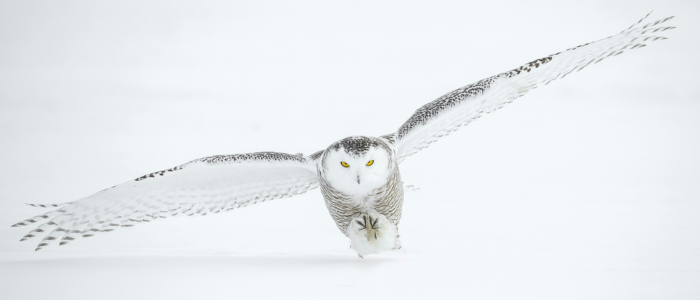
Seals, for example, are regular winter visitors to our shoreline, living in colonies at Sandy Hook Bay and other protected places. Beautiful birds that come from the north to spend winters in the Garden State include snowy owls, gannets, loons, snow geese, and many waterfowl species. These birds don’t breed in New Jersey, so in the spring they’ll return to their nesting grounds in the northern U.S. and Canada.
Even trees have interesting winter tales to tell! You may have noticed trees with old leaves still clinging to their branches, fluttering in the breeze but not falling off. These are most likely beeches and oaks. Beech trees are especially lovely in winter, with pale golden-brown leaves that glow in the sunlight.
Amazingly enough, this hanging-on may be an adaptation by the trees to protect tender young buds from munching animals. It may be that dried leaves on oak and beech branches look so unappealing to browsing herbivores, they move on in search of unprotected and more easily accessible buds.
A few days after a snowstorm but before the melt, you might try identifying the dizzying array of mammal tracks that crisscross the blanketed ground in many places. If you really look around, you’ll gain a keen insight into the plight of various herbivores like deer and carnivores that scour the land in search of essential but generally scarce food items during winter. You might see evidence of mammals digging to uncover seeds and nuts beneath the snow – or you may even spot a bear paw print!
Hibernating in cozy pajamas can be tempting, but don’t let the season go by without exploring and watching some winter wildlife. Bundle up, grab a hot beverage, and see what you can find out amongst New Jersey’s snow-covered landscapes.
To learn about preserving New Jersey’s land and natural resources, visit the New Jersey Conservation Foundation website at www.njconservation.org or contact me at info@njconservation.org.
About the Authors
Alison Mitchell
Executive Director
Michele S. Byers
Executive Director, 1999-2021
John S. Watson, Jr.
Co-Executive Director, 2022-2024
Tom Gilbert
Co-Executive Director, 2022-2023
View their full bios here.
Filter
Get The Latest News
From The Garden State
In the
News